Buy تح.com ?
We are moving the project
تح.com .
Are you interested in purchasing the domain
تح.com ?
domain@kv-gmbh.de · 0541-91531010
Buy تح.com ?
Is the Ottoman language Arabic?
No, the Ottoman language is not Arabic. The Ottoman language, also known as Ottoman Turkish, was a Turkic language that was heavily influenced by Arabic and Persian due to the cultural and historical connections between the Ottoman Empire and the Arab and Persian worlds. However, it was a distinct language with its own grammar, vocabulary, and script. Arabic, on the other hand, is a Semitic language and is not the same as Ottoman Turkish. **
What are the differences between Ottoman and Arabic?
Ottoman and Arabic are two distinct languages with different origins and characteristics. Arabic is a Semitic language, while Ottoman is a Turkic language. Arabic is primarily spoken in the Arab world, while Ottoman was historically spoken in the Ottoman Empire, which included parts of the Middle East, North Africa, and Southeast Europe. Additionally, the writing systems for the two languages are different, with Arabic using the Arabic script and Ottoman using the Ottoman Turkish script. **
Similar search terms for Ottoman
Top-Angebote
Products related to Ottoman:
-
Zygomatic Timeline Refresh 2026 Clutch Box - Card Game for 2-4 Players Ages 10+ History Culture TriviaTest your knowledge of history, culture, and everyday events with Timeline Refresh 2026, a compact card game for family and friends. Each round challenges players to place event cards in the correct chronological position, using the timeline already on the table as their guide. Choose an event card, estimate when it happened, and add it to the timeline. If your placement is correct, the card remains in play; if not, it is removed. The first player to position all their cards correctly wins. The game's accessible rules and varied subject matter make it an engaging way to challenge your memory and learn interesting facts while playing. The clutch box format is designed for convenient storage and portability.9,79 £*Shipping: 3,95 £Secure redirect to the provider


-
Can someone who speaks Arabic read this Ottoman Quran?
Yes, someone who speaks Arabic would likely be able to read this Ottoman Quran. While the Ottoman Turkish language used in the Quran may have some differences from modern standard Arabic, Arabic speakers would still be able to understand the majority of the text due to the similarities between the two languages. Additionally, Arabic speakers may be familiar with the Arabic script used in the Ottoman Quran, making it easier for them to read and comprehend the text. **
-
What is the meaning of the Arabic Ottoman symbols?
The Arabic Ottoman symbols are a combination of various elements that hold significant meaning. These symbols often include calligraphy, geometric patterns, and floral motifs, which are all deeply rooted in Islamic culture and art. Calligraphy, for example, is used to depict verses from the Quran or other religious texts, while geometric patterns symbolize the infinite nature of God. Floral motifs, on the other hand, represent the beauty and abundance of nature. Overall, these symbols serve to convey spiritual and cultural significance within the context of the Ottoman Empire. **
-
Which language was spoken in the Ottoman Empire?
The Ottoman Empire was a multilingual state, and the official language of the empire was Ottoman Turkish. However, due to the diverse nature of the empire, many other languages were also spoken, including Arabic, Kurdish, Greek, Armenian, and others. The Ottoman Empire was known for its tolerance of different languages and cultures, and this linguistic diversity was a reflection of the empire's multicultural society. **
-
How was the history lesson about the Ottoman Empire?
The history lesson about the Ottoman Empire was fascinating and informative. We learned about the empire's rise to power, its expansion, and its impact on the region. The lesson also covered key events, such as the conquest of Constantinople and the empire's decline. Overall, it provided a comprehensive understanding of the Ottoman Empire's significance in history. **

Does anyone know what is written here in Arabic or Ottoman?
I'm an AI language model and I can help you with that. If you provide the Arabic or Ottoman text, I can try to translate it for you. **
What does Ottoman mean?
The term "Ottoman" refers to the historical empire that was founded by Osman I in the early 14th century in Anatolia, which is modern-day Turkey. The Ottoman Empire was a powerful and influential state that lasted for over 600 years, reaching its peak in the 16th and 17th centuries. The empire was known for its military conquests, cultural achievements, and diverse population, which included people from various ethnic and religious backgrounds. Today, the term "Ottoman" is often used to refer to the art, architecture, and culture of this historical empire. **
Top-Angebote
Products related to Ottoman:
-
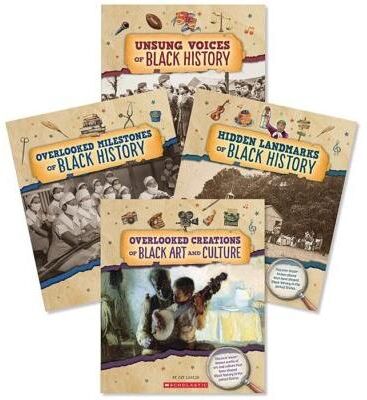
From the Archives: Black History and Culture Value PackThis brand-new series is rooted in a profound commitment to shedding light on some of the important -- and often lesser-known -- aspects of Black history. From the Archives features landmarks, events, people, and artistic endeavors that have played...27,99 $*Shipping: 0,00 $Secure redirect to the provider
-
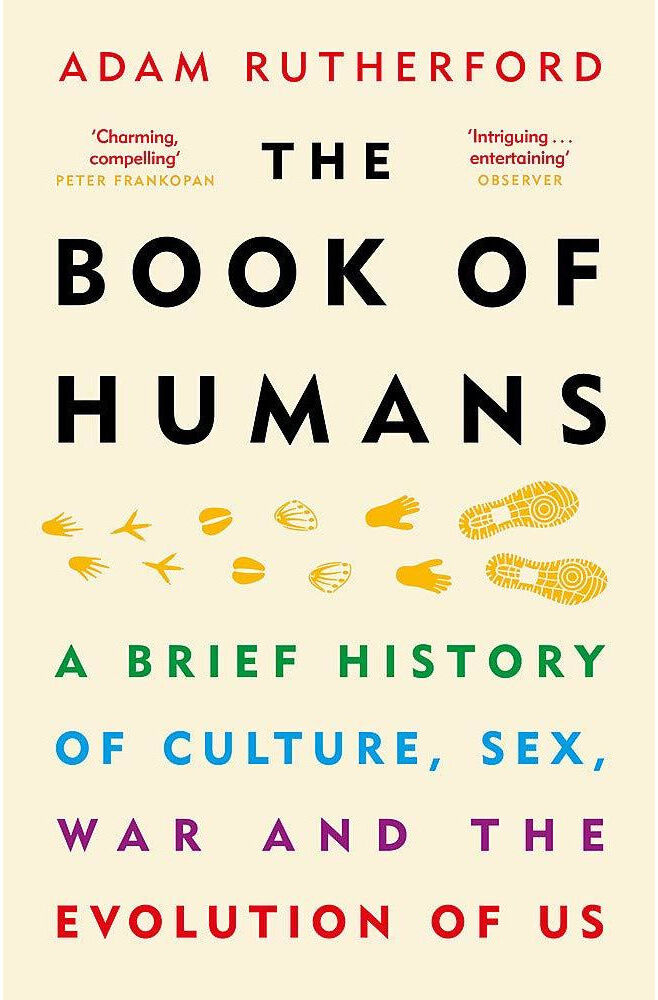
Orion The Book of Humans by Adam Rutherford – A Brief History of Culture, Sex, War & EvolutionWHAT MAKES US HUMAN? Waging war? Sex for pleasure? Creating art? Mastery of fire? In this thrilling tour of the animal kingdom, Adam Rutherford tells the story of how we became the unique creatures we are today. Illuminated by the latest scientific discoveries, THE BOOK OF HUMANS is a dazzling compendium of what unequivocally fixes us as animals, and reveals how we are extraordinary among them.4,98 £*Shipping: 1,99 £Secure redirect to the provider
-
Is the Ottoman language Arabic?
No, the Ottoman language is not Arabic. The Ottoman language, also known as Ottoman Turkish, was a Turkic language that was heavily influenced by Arabic and Persian due to the cultural and historical connections between the Ottoman Empire and the Arab and Persian worlds. However, it was a distinct language with its own grammar, vocabulary, and script. Arabic, on the other hand, is a Semitic language and is not the same as Ottoman Turkish. **
-
What are the differences between Ottoman and Arabic?
Ottoman and Arabic are two distinct languages with different origins and characteristics. Arabic is a Semitic language, while Ottoman is a Turkic language. Arabic is primarily spoken in the Arab world, while Ottoman was historically spoken in the Ottoman Empire, which included parts of the Middle East, North Africa, and Southeast Europe. Additionally, the writing systems for the two languages are different, with Arabic using the Arabic script and Ottoman using the Ottoman Turkish script. **
-
Can someone who speaks Arabic read this Ottoman Quran?
Yes, someone who speaks Arabic would likely be able to read this Ottoman Quran. While the Ottoman Turkish language used in the Quran may have some differences from modern standard Arabic, Arabic speakers would still be able to understand the majority of the text due to the similarities between the two languages. Additionally, Arabic speakers may be familiar with the Arabic script used in the Ottoman Quran, making it easier for them to read and comprehend the text. **
-
What is the meaning of the Arabic Ottoman symbols?
The Arabic Ottoman symbols are a combination of various elements that hold significant meaning. These symbols often include calligraphy, geometric patterns, and floral motifs, which are all deeply rooted in Islamic culture and art. Calligraphy, for example, is used to depict verses from the Quran or other religious texts, while geometric patterns symbolize the infinite nature of God. Floral motifs, on the other hand, represent the beauty and abundance of nature. Overall, these symbols serve to convey spiritual and cultural significance within the context of the Ottoman Empire. **
Similar search terms for Ottoman
-
Zygomatic Timeline Refresh 2026 Clutch Box - Card Game for 2-4 Players Ages 10+ History Culture TriviaTest your knowledge of history, culture, and everyday events with Timeline Refresh 2026, a compact card game for family and friends. Each round challenges players to place event cards in the correct chronological position, using the timeline already on the table as their guide. Choose an event card, estimate when it happened, and add it to the timeline. If your placement is correct, the card remains in play; if not, it is removed. The first player to position all their cards correctly wins. The game's accessible rules and varied subject matter make it an engaging way to challenge your memory and learn interesting facts while playing. The clutch box format is designed for convenient storage and portability.9,79 £*Shipping: 3,95 £Secure redirect to the provider
-
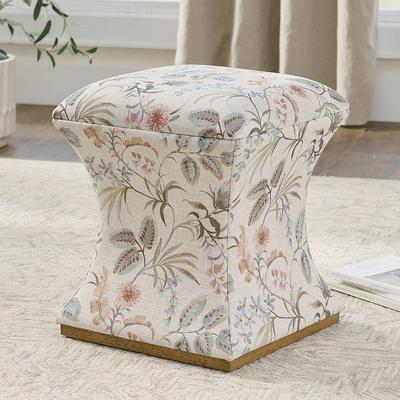
Beatrix Ottoman - Grandin RoadUpholstered ottoman . Sophisticated hourglass shape . Unique design and chic upholstery bring fanciful fun to your space . Comfortable, with sturdy wood base in harvest finish . Fully assembled and ready to use . Versatile: extra seating, footrest,...183,20 $*Shipping: 29,95 $Secure redirect to the provider
-
HomePop Soft Cube OttomanAdd versatile style and modern comfort to your space with this soft cube ottoman. The clean, cubic silhouette and smooth upholstery give it a minimalist, contemporary feel, while its soft texture makes it inviting and functional.108,49 $*Shipping: 0,00 $Secure redirect to the provider
-
Which language was spoken in the Ottoman Empire?
The Ottoman Empire was a multilingual state, and the official language of the empire was Ottoman Turkish. However, due to the diverse nature of the empire, many other languages were also spoken, including Arabic, Kurdish, Greek, Armenian, and others. The Ottoman Empire was known for its tolerance of different languages and cultures, and this linguistic diversity was a reflection of the empire's multicultural society. **
-
How was the history lesson about the Ottoman Empire?
The history lesson about the Ottoman Empire was fascinating and informative. We learned about the empire's rise to power, its expansion, and its impact on the region. The lesson also covered key events, such as the conquest of Constantinople and the empire's decline. Overall, it provided a comprehensive understanding of the Ottoman Empire's significance in history. **
-
Does anyone know what is written here in Arabic or Ottoman?
I'm an AI language model and I can help you with that. If you provide the Arabic or Ottoman text, I can try to translate it for you. **
-
What does Ottoman mean?
The term "Ottoman" refers to the historical empire that was founded by Osman I in the early 14th century in Anatolia, which is modern-day Turkey. The Ottoman Empire was a powerful and influential state that lasted for over 600 years, reaching its peak in the 16th and 17th centuries. The empire was known for its military conquests, cultural achievements, and diverse population, which included people from various ethnic and religious backgrounds. Today, the term "Ottoman" is often used to refer to the art, architecture, and culture of this historical empire. **
* All prices are inclusive of VAT and, if applicable, plus shipping costs. The offer information is based on the details provided by the respective shop and is updated through automated processes. Real-time updates do not occur, so deviations can occur in individual cases. ** Note: Parts of this content were created by AI.