Buy تح.com ?
We are moving the project
تح.com .
Are you interested in purchasing the domain
تح.com ?
domain@kv-gmbh.de · 0541-91531010
Buy تح.com ?
How can one forget culture and heritage?
One can forget culture and heritage by not actively engaging with it, by being disconnected from one's roots and community, and by prioritizing other aspects of life over preserving and celebrating one's cultural identity. This can happen through assimilation into a different culture, lack of exposure to one's own cultural traditions and practices, and a lack of interest in learning about one's heritage. Additionally, societal pressures and discrimination can also contribute to the erasure of one's culture and heritage. **
What is the difference between culture and tradition?
Culture refers to the beliefs, customs, arts, and social behaviors of a particular group of people, encompassing a broader range of practices and values. On the other hand, tradition specifically refers to the customs and practices that are passed down from generation to generation within a specific community or society. While culture is more dynamic and can evolve over time, traditions tend to be more static and rooted in history and heritage. **

Similar search terms for Small
Top-Angebote
Products related to Small:
-
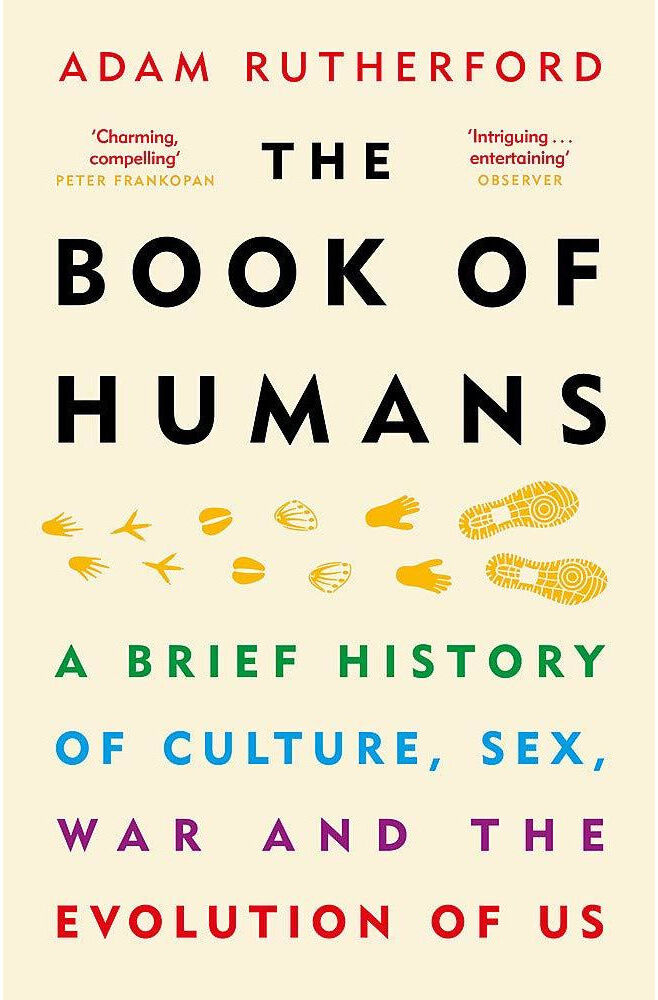
Orion The Book of Humans by Adam Rutherford – A Brief History of Culture, Sex, War & EvolutionWHAT MAKES US HUMAN? Waging war? Sex for pleasure? Creating art? Mastery of fire? In this thrilling tour of the animal kingdom, Adam Rutherford tells the story of how we became the unique creatures we are today. Illuminated by the latest scientific discoveries, THE BOOK OF HUMANS is a dazzling compendium of what unequivocally fixes us as animals, and reveals how we are extraordinary among them.4,98 £*Shipping: 1,99 £Secure redirect to the provider



-
Is German studies, history, and the small Latinum difficult?
Studying German studies, history, and the small Latinum can be challenging, as it requires a strong understanding of language, culture, and historical context. Learning German can be difficult for non-native speakers due to its complex grammar and vocabulary. Additionally, studying history requires critical thinking and analysis of various events and time periods. The small Latinum, which is a basic level of Latin proficiency, also requires dedicated study and understanding of the language's grammar and vocabulary. Overall, while these subjects may be challenging, they can also be incredibly rewarding for those with a passion for language and history. **
-
What is the meaning of tradition, culture, and identity?
Tradition refers to the customs, beliefs, and practices that are passed down from generation to generation within a community or society. Culture encompasses the shared values, beliefs, and behaviors of a particular group of people, including their language, art, music, and social norms. Identity is the sense of self and belonging that is shaped by one's cultural background, traditions, and experiences. Together, tradition, culture, and identity form the foundation of a person's sense of belonging and connection to their community and heritage. **
-
Is Arabic a flowery language?
Arabic is often considered a flowery language due to its rich vocabulary, poetic traditions, and intricate calligraphy. The language is known for its use of metaphors, similes, and ornate expressions, which can give it a flowery and expressive quality. Additionally, Arabic is also known for its use of formal and polite language, which can add to its perceived flowery nature. Overall, Arabic's linguistic features and cultural traditions contribute to its reputation as a flowery language. **
-
Is the Ottoman language Arabic?
No, the Ottoman language is not Arabic. The Ottoman language, also known as Ottoman Turkish, was a Turkic language that was heavily influenced by Arabic and Persian due to the cultural and historical connections between the Ottoman Empire and the Arab and Persian worlds. However, it was a distinct language with its own grammar, vocabulary, and script. Arabic, on the other hand, is a Semitic language and is not the same as Ottoman Turkish. **


What is the Arabic language?
Arabic is a Semitic language that is spoken by millions of people around the world, primarily in the Middle East and North Africa. It is the official language of 22 countries and is one of the six official languages of the United Nations. Arabic is known for its rich literary tradition, with classical Arabic being the language of the Quran and Islamic texts. It is also a diverse language with many different dialects and variations across different regions. **
Does the Arabic language resemble the Dari language?
Arabic and Dari are both members of the Indo-Iranian branch of the Indo-European language family, but they belong to different subgroups. Arabic is a Semitic language, while Dari is an Iranian language. As a result, the two languages have different grammatical structures, vocabulary, and phonetics, making them distinct from each other. While there may be some loanwords or influences due to historical interactions between Arabic-speaking and Dari-speaking regions, the overall resemblance between the two languages is limited. **
Top-Angebote
Products related to Small:
-
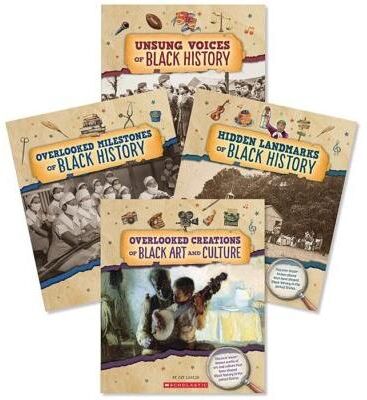
From the Archives: Black History and Culture Value PackThis brand-new series is rooted in a profound commitment to shedding light on some of the important -- and often lesser-known -- aspects of Black history. From the Archives features landmarks, events, people, and artistic endeavors that have played...27,99 $*Shipping: 0,00 $Secure redirect to the provider
-
Modern Mode Marketplace Elegant Small Arabic Numeral Womens Quartz Leather Watch brown WhiteFall in love with a timepiece that feels simple, graceful, and easy to wear every day. This womens quartz watch features a petite dial, clear Arabic numbers, and a soft leatherstyle strap for effortless comfort. Designed for women who love classic...29,97 $*Shipping: 0,00 $Secure redirect to the provider
-
Orion The Book of Humans by Adam Rutherford – A Brief History of Culture, Sex, War & EvolutionWHAT MAKES US HUMAN? Waging war? Sex for pleasure? Creating art? Mastery of fire? In this thrilling tour of the animal kingdom, Adam Rutherford tells the story of how we became the unique creatures we are today. Illuminated by the latest scientific discoveries, THE BOOK OF HUMANS is a dazzling compendium of what unequivocally fixes us as animals, and reveals how we are extraordinary among them.4,98 £*Shipping: 1,99 £Secure redirect to the provider
-
How can one forget culture and heritage?
One can forget culture and heritage by not actively engaging with it, by being disconnected from one's roots and community, and by prioritizing other aspects of life over preserving and celebrating one's cultural identity. This can happen through assimilation into a different culture, lack of exposure to one's own cultural traditions and practices, and a lack of interest in learning about one's heritage. Additionally, societal pressures and discrimination can also contribute to the erasure of one's culture and heritage. **
-
What is the difference between culture and tradition?
Culture refers to the beliefs, customs, arts, and social behaviors of a particular group of people, encompassing a broader range of practices and values. On the other hand, tradition specifically refers to the customs and practices that are passed down from generation to generation within a specific community or society. While culture is more dynamic and can evolve over time, traditions tend to be more static and rooted in history and heritage. **
-
Is German studies, history, and the small Latinum difficult?
Studying German studies, history, and the small Latinum can be challenging, as it requires a strong understanding of language, culture, and historical context. Learning German can be difficult for non-native speakers due to its complex grammar and vocabulary. Additionally, studying history requires critical thinking and analysis of various events and time periods. The small Latinum, which is a basic level of Latin proficiency, also requires dedicated study and understanding of the language's grammar and vocabulary. Overall, while these subjects may be challenging, they can also be incredibly rewarding for those with a passion for language and history. **
-
What is the meaning of tradition, culture, and identity?
Tradition refers to the customs, beliefs, and practices that are passed down from generation to generation within a community or society. Culture encompasses the shared values, beliefs, and behaviors of a particular group of people, including their language, art, music, and social norms. Identity is the sense of self and belonging that is shaped by one's cultural background, traditions, and experiences. Together, tradition, culture, and identity form the foundation of a person's sense of belonging and connection to their community and heritage. **
Similar search terms for Small
-
Is Arabic a flowery language?
Arabic is often considered a flowery language due to its rich vocabulary, poetic traditions, and intricate calligraphy. The language is known for its use of metaphors, similes, and ornate expressions, which can give it a flowery and expressive quality. Additionally, Arabic is also known for its use of formal and polite language, which can add to its perceived flowery nature. Overall, Arabic's linguistic features and cultural traditions contribute to its reputation as a flowery language. **
-
Is the Ottoman language Arabic?
No, the Ottoman language is not Arabic. The Ottoman language, also known as Ottoman Turkish, was a Turkic language that was heavily influenced by Arabic and Persian due to the cultural and historical connections between the Ottoman Empire and the Arab and Persian worlds. However, it was a distinct language with its own grammar, vocabulary, and script. Arabic, on the other hand, is a Semitic language and is not the same as Ottoman Turkish. **
-
What is the Arabic language?
Arabic is a Semitic language that is spoken by millions of people around the world, primarily in the Middle East and North Africa. It is the official language of 22 countries and is one of the six official languages of the United Nations. Arabic is known for its rich literary tradition, with classical Arabic being the language of the Quran and Islamic texts. It is also a diverse language with many different dialects and variations across different regions. **
-
Does the Arabic language resemble the Dari language?
Arabic and Dari are both members of the Indo-Iranian branch of the Indo-European language family, but they belong to different subgroups. Arabic is a Semitic language, while Dari is an Iranian language. As a result, the two languages have different grammatical structures, vocabulary, and phonetics, making them distinct from each other. While there may be some loanwords or influences due to historical interactions between Arabic-speaking and Dari-speaking regions, the overall resemblance between the two languages is limited. **
* All prices are inclusive of VAT and, if applicable, plus shipping costs. The offer information is based on the details provided by the respective shop and is updated through automated processes. Real-time updates do not occur, so deviations can occur in individual cases. ** Note: Parts of this content were created by AI.