Buy تح.com ?
We are moving the project
تح.com .
Are you interested in purchasing the domain
تح.com ?
domain@kv-gmbh.de · 0541-91531010
Buy تح.com ?
How is uniformity calculated?
Uniformity is calculated by comparing the actual values of a set of data to the expected values. This can be done by using statistical measures such as the coefficient of variation or the standard deviation. The closer the actual values are to the expected values, the higher the level of uniformity. Uniformity is important in various fields such as manufacturing, agriculture, and quality control to ensure consistency and reliability in processes and products. **
Can the principle of uniformity and the rule of uniformity be used synonymously?
No, the principle of uniformity and the rule of uniformity are not synonymous. The principle of uniformity refers to the idea that the same processes and natural laws that operate in the universe today have always operated in the same way in the past. This principle is fundamental to the scientific method and the study of natural phenomena. On the other hand, the rule of uniformity is a legal concept that states that a contract or agreement must be interpreted and applied consistently and uniformly. While both concepts involve the idea of consistency and uniform application, they are used in different contexts and have different implications. **


Similar search terms for Uniformity
Top-Angebote
Products related to Uniformity:
-
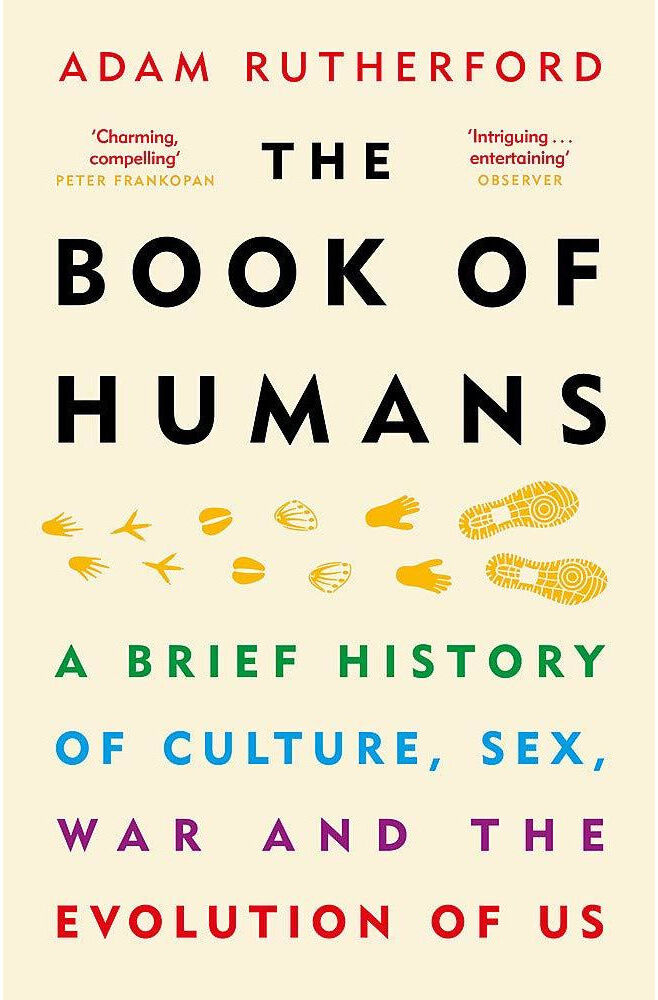
Orion The Book of Humans by Adam Rutherford – A Brief History of Culture, Sex, War & EvolutionWHAT MAKES US HUMAN? Waging war? Sex for pleasure? Creating art? Mastery of fire? In this thrilling tour of the animal kingdom, Adam Rutherford tells the story of how we became the unique creatures we are today. Illuminated by the latest scientific discoveries, THE BOOK OF HUMANS is a dazzling compendium of what unequivocally fixes us as animals, and reveals how we are extraordinary among them.4,98 £*Shipping: 1,99 £Secure redirect to the provider
-
Zygomatic Timeline Refresh 2026 Clutch Box - Card Game for 2-4 Players Ages 10+ History Culture TriviaTest your knowledge of history, culture, and everyday events with Timeline Refresh 2026, a compact card game for family and friends. Each round challenges players to place event cards in the correct chronological position, using the timeline already on the table as their guide. Choose an event card, estimate when it happened, and add it to the timeline. If your placement is correct, the card remains in play; if not, it is removed. The first player to position all their cards correctly wins. The game's accessible rules and varied subject matter make it an engaging way to challenge your memory and learn interesting facts while playing. The clutch box format is designed for convenient storage and portability.9,59 £*Shipping: 3,95 £Secure redirect to the provider
-
"""The Language of Yes""" """The Language of Yes Cuvee Sinso 2022 Red Wine - California""""""A French-inspired, Cinsaut-based red blend. Cinsaut and Syrah co-fermented for two weeks to extract color and texture. A small amount of Grenache from Rancho Réal was blended for fragrance. Aged in neutral barrels and stainless. Exuberantly..."26,97 $*Shipping: 0,00 $Secure redirect to the provider
-
Granta Books The 1960s in Maps by Gordon Kerr - Illustrated History of the 1960s Through Maps, Events, Politics, Culture and Social ChangeWhich countries were under a dictatorship? Where did the Beatles perform live outside the UK? Where were atomic bombs tested? Which nations boycotted the 1966 World Cup? What was the route of the Hippy Trail? The 1960s was a momentous decade whose legacy is colourful and enduring. Here is a book that maps those years - through their culture, their politics, their technological and scientific advances, their conflicts and their natural disasters. What emerges is a fresh and revealing portrait of a decade which saw enormous social change, seemed to offer boundless potential, but also had its darker side.10,99 £*Shipping: 2,99 £Secure redirect to the provider



-
How do you calculate uniformity?
Uniformity can be calculated by dividing the smallest value in a set of data by the largest value. This ratio provides a measure of how closely the values in the data set are distributed. A uniformity ratio close to 1 indicates a high level of uniformity, meaning the values are evenly distributed. Conversely, a ratio significantly higher than 1 suggests a lack of uniformity, with some values being much larger than others. **
-
Does the uniformity already begin in kindergarten?
Uniformity in kindergarten can begin in various ways, such as through dress codes, classroom rules, and learning expectations. For example, many kindergartens have a dress code that requires students to wear a uniform or adhere to a specific dress standard. Additionally, classroom rules and learning expectations can also contribute to uniformity by setting standard behaviors and academic goals for all students. However, it's important to note that while some level of uniformity may exist in kindergarten, there is also a focus on individual development and creativity at this stage of education. **
-
What are the rules for school sports regarding barefoot requirements and uniformity of clothing?
In most school sports, athletes are required to wear appropriate footwear for safety reasons, so going barefoot is usually not allowed. Additionally, there are usually rules in place regarding the uniformity of clothing, with athletes typically required to wear the same team uniform or designated attire to promote a sense of unity and professionalism. These rules help ensure fairness, safety, and a sense of team spirit among all participants. **
-
How can one forget culture and heritage?
One can forget culture and heritage by not actively engaging with it, by being disconnected from one's roots and community, and by prioritizing other aspects of life over preserving and celebrating one's cultural identity. This can happen through assimilation into a different culture, lack of exposure to one's own cultural traditions and practices, and a lack of interest in learning about one's heritage. Additionally, societal pressures and discrimination can also contribute to the erasure of one's culture and heritage. **
What does the first Mendelian rule, also known as the Law of Uniformity, state in detail?
The first Mendelian rule, also known as the Law of Uniformity, states that when two individuals that are pure for contrasting traits are crossed, all their offspring in the first generation will be uniform and express only one of the traits. This means that if a purebred tall plant (TT) is crossed with a purebred short plant (tt), all the offspring in the first generation (F1) will be tall (Tt). This law demonstrates the dominance of one trait over the other in the first generation of offspring. **
What does the 1st Mendelian Law, also known as the Law of Uniformity, state in detail?
The 1st Mendelian Law, also known as the Law of Uniformity, states that when two purebred individuals are crossed, all of their offspring will be of the same phenotype. This means that if two individuals with the same genetic makeup are crossed, their offspring will also have the same genetic makeup and exhibit the same traits. This law helps to explain the predictability of inheritance patterns in offspring and is a fundamental principle in the study of genetics. **
Top-Angebote
Products related to Uniformity:
-
Anne Möller Perfectia Ritual Uniformity and Luminosity Case 4 PiecesHealth and Beauty Creams Anne Möller Perfectia Ritual Uniformity and Luminosity Case 4 Pieces Anne Möller Perfectia Ritual Uniformity and Luminosity Case 4 Pieces Anne Möller Perfectia Ritual Uniformity and Radiance 4-Piece Set is a complete treatment designed to combat skin imperfections and restore its natural radiance. This set includes four key facial care products that work in synergy to provide more even, radiant and blemish-free skin. What is Anne Möller Perfectia Ritual Uniformity and Luminosity Case 4 Pieces? The Anne Möller Perfectia Ritual Uniformity and Radiance is an exclusive set of high-quality care that includes: Super Anti-Spot Serum (30 ml): A fast-absorbing serum that effectively combats dark spots and hyperpigmentation. Sublime Perfecting Cream SPF50 (15 ml): Moisturizing cream with high sun protection, which evens out skin tone while protecting it from sun damage. Progressive Night Peeling Cream (15 ml): A cream that gently exfoliates the skin overnight for a renewed face upon waking. Clean Up Micellar Cleansing Water (60 ml): Micellar solution that effectively removes makeup and impurities, leaving the skin fresh and clean. Benefits Even skin tone: The Super Anti-Spot Serum acts against dark spots, improving skin texture and tone. High sun protection: Sublime Perfecting Cream SPF50 offers protection against sun damage, preventing new spots and the appearance of wrinkles. Night Renewal: The Progressive Night Peeling Cream gently exfoliates the skin, promoting cell regeneration while you sleep. Deep cleansing: Clean Up Micellar Cleansing Water removes impurities and makeup without drying or irritating the skin, leaving a clean and fresh face. Who is it for? This beauty ritual is specially formulated for those with skin that has spots, lacks luminosity or uneven tones. It is ideal for those looking for a treatment that combines sun protection , gentle exfoliation and renewal, as well as a serum that acts specifically on the spots. How do I apply it? Super Anti-Stain Serum : Apply a few drops to clean, dry skin on your face, massaging gently until completely absorbed. Use daily in the morning or at night. Sublime Perfecting Cream SPF50 : Apply an appropriate amount to clean skin before sun exposure. Make sure to apply generously for effective protection. Progressive Night Peeling Cream : Use at night after cleansing and toning the face. Apply an even layer and leave on overnight. Clean Up Micellar Cleansing Water : Soak a cotton pad with micellar water and wipe it over your entire face to remove impurities and makeup. Product Usage The Anne Möller Perfectia Ritual Uniformity and Radiance 4-Piece Set is the perfect treatment to achieve brighter, blemish-free skin with a more even tone. Its daily use improves the overall appearance of the skin, fighting imperfections and protecting it from external damage such as pollution and UV radiation. In addition, this set is ideal for those looking for a comprehensive treatment, as it...27,56 £*Shipping: 3,99 £Secure redirect to the provider
-
From the Archives: Black History and Culture Value PackThis brand-new series is rooted in a profound commitment to shedding light on some of the important -- and often lesser-known -- aspects of Black history. From the Archives features landmarks, events, people, and artistic endeavors that have played...27,99 $*Shipping: 0,00 $Secure redirect to the provider
-
Orion The Book of Humans by Adam Rutherford – A Brief History of Culture, Sex, War & EvolutionWHAT MAKES US HUMAN? Waging war? Sex for pleasure? Creating art? Mastery of fire? In this thrilling tour of the animal kingdom, Adam Rutherford tells the story of how we became the unique creatures we are today. Illuminated by the latest scientific discoveries, THE BOOK OF HUMANS is a dazzling compendium of what unequivocally fixes us as animals, and reveals how we are extraordinary among them.4,98 £*Shipping: 1,99 £Secure redirect to the provider
-
Zygomatic Timeline Refresh 2026 Clutch Box - Card Game for 2-4 Players Ages 10+ History Culture TriviaTest your knowledge of history, culture, and everyday events with Timeline Refresh 2026, a compact card game for family and friends. Each round challenges players to place event cards in the correct chronological position, using the timeline already on the table as their guide. Choose an event card, estimate when it happened, and add it to the timeline. If your placement is correct, the card remains in play; if not, it is removed. The first player to position all their cards correctly wins. The game's accessible rules and varied subject matter make it an engaging way to challenge your memory and learn interesting facts while playing. The clutch box format is designed for convenient storage and portability.9,59 £*Shipping: 3,95 £Secure redirect to the provider
-
How is uniformity calculated?
Uniformity is calculated by comparing the actual values of a set of data to the expected values. This can be done by using statistical measures such as the coefficient of variation or the standard deviation. The closer the actual values are to the expected values, the higher the level of uniformity. Uniformity is important in various fields such as manufacturing, agriculture, and quality control to ensure consistency and reliability in processes and products. **
-
Can the principle of uniformity and the rule of uniformity be used synonymously?
No, the principle of uniformity and the rule of uniformity are not synonymous. The principle of uniformity refers to the idea that the same processes and natural laws that operate in the universe today have always operated in the same way in the past. This principle is fundamental to the scientific method and the study of natural phenomena. On the other hand, the rule of uniformity is a legal concept that states that a contract or agreement must be interpreted and applied consistently and uniformly. While both concepts involve the idea of consistency and uniform application, they are used in different contexts and have different implications. **
-
How do you calculate uniformity?
Uniformity can be calculated by dividing the smallest value in a set of data by the largest value. This ratio provides a measure of how closely the values in the data set are distributed. A uniformity ratio close to 1 indicates a high level of uniformity, meaning the values are evenly distributed. Conversely, a ratio significantly higher than 1 suggests a lack of uniformity, with some values being much larger than others. **
-
Does the uniformity already begin in kindergarten?
Uniformity in kindergarten can begin in various ways, such as through dress codes, classroom rules, and learning expectations. For example, many kindergartens have a dress code that requires students to wear a uniform or adhere to a specific dress standard. Additionally, classroom rules and learning expectations can also contribute to uniformity by setting standard behaviors and academic goals for all students. However, it's important to note that while some level of uniformity may exist in kindergarten, there is also a focus on individual development and creativity at this stage of education. **
Similar search terms for Uniformity
-
"""The Language of Yes""" """The Language of Yes Cuvee Sinso 2022 Red Wine - California""""""A French-inspired, Cinsaut-based red blend. Cinsaut and Syrah co-fermented for two weeks to extract color and texture. A small amount of Grenache from Rancho Réal was blended for fragrance. Aged in neutral barrels and stainless. Exuberantly..."26,97 $*Shipping: 0,00 $Secure redirect to the provider
-
Granta Books The 1960s in Maps by Gordon Kerr - Illustrated History of the 1960s Through Maps, Events, Politics, Culture and Social ChangeWhich countries were under a dictatorship? Where did the Beatles perform live outside the UK? Where were atomic bombs tested? Which nations boycotted the 1966 World Cup? What was the route of the Hippy Trail? The 1960s was a momentous decade whose legacy is colourful and enduring. Here is a book that maps those years - through their culture, their politics, their technological and scientific advances, their conflicts and their natural disasters. What emerges is a fresh and revealing portrait of a decade which saw enormous social change, seemed to offer boundless potential, but also had its darker side.10,99 £*Shipping: 2,99 £Secure redirect to the provider
-
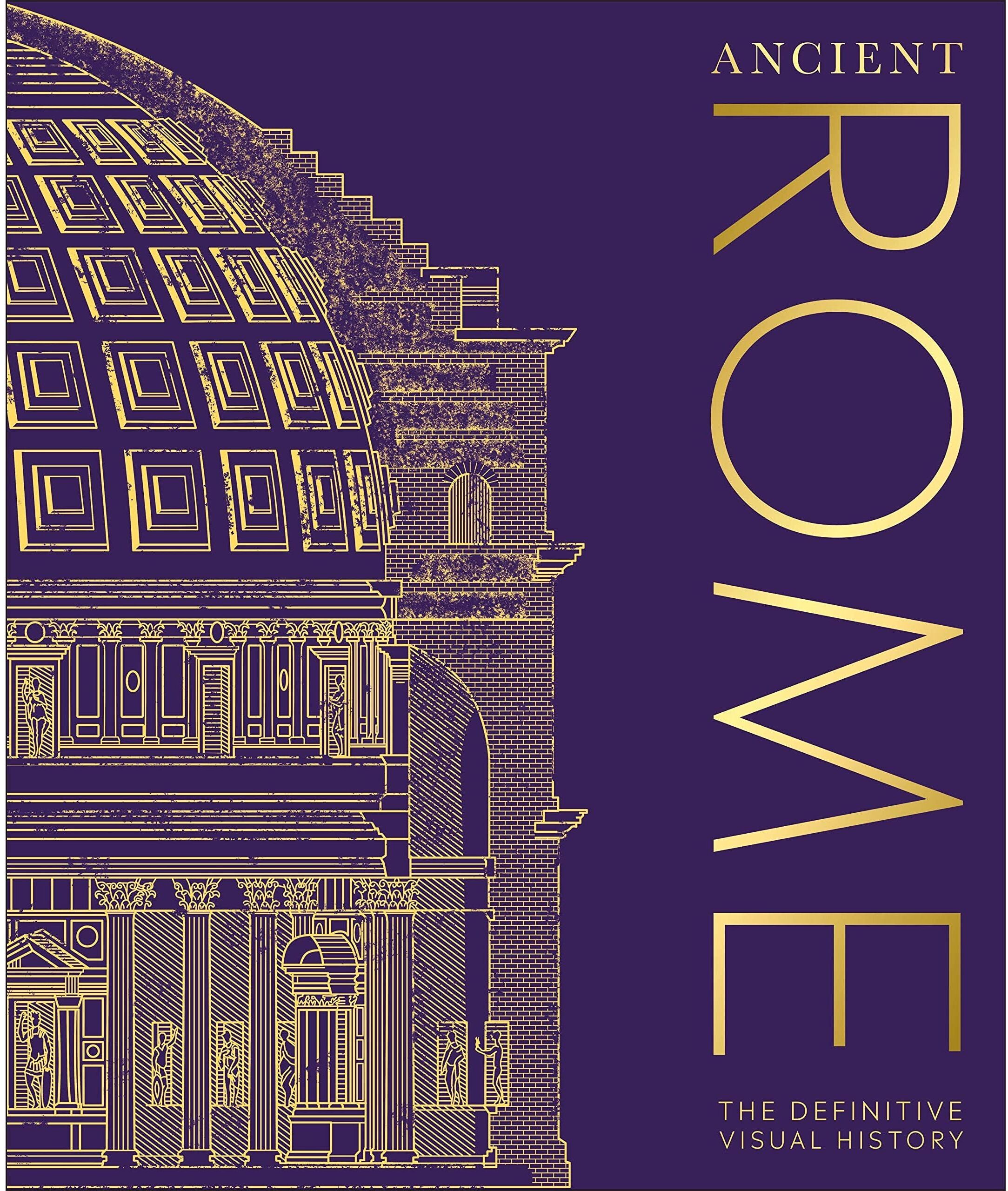
Ancient Rome: The Definitive Visual History (DK Classic History)Immerse yourself in the history of ancient Rome - from its origins as a small settlement on the Palatine Hill to its peak as an empire reigning over 90 million people, and its tumultuous decline. Covering more than 1,000 years of history, and an empire that stretched from Scotland to Syria, Ancient Rome reveals in vivid detail all of the key political, cultural, and military events that shaped the Roman Empire and explores what it was like to live in a society that laid the foundations for many aspects of the modern world. Sumptuous photography and engaging text cover every facet of life in ancient Rome, from art, entertainment, and fashion to engineering, medicine, and war, while detailed maps trace the rise of the mighty Roman Empire. Step back in time in the pages of this history book to discover:- Themed spreads explore developments in areas such as sculpture, religion, warfare, and engineering. - Includes tales of the most dramatic events and battles in Roman history, as well as profiles of influential historical and cultural figures. - An optional 80pp reference section includes sections on rulers, gods and goddesses, and key sites. Featuring Rome's greatest emperors, from Augustus to Constantine, as well as profiles of generals, historians, and influential women, Ancient Rome also delves into the fascinating stories of gladiators, bakers, and enslaved people. The most iconic buildings of Rome are brought to life with specially commissioned CGI recreations, while the stories of ordinary citizens, soldiers, and persecuted groups from across the empire are told with the help of illustrations, artefacts, and eyewitness accounts. Beautifully illustrated and unparalleled in scope, Ancient Rome is the perfect book for anyone who is interested in this defining period of world history.19,95 £*Shipping: 2,99 £Secure redirect to the provider
-
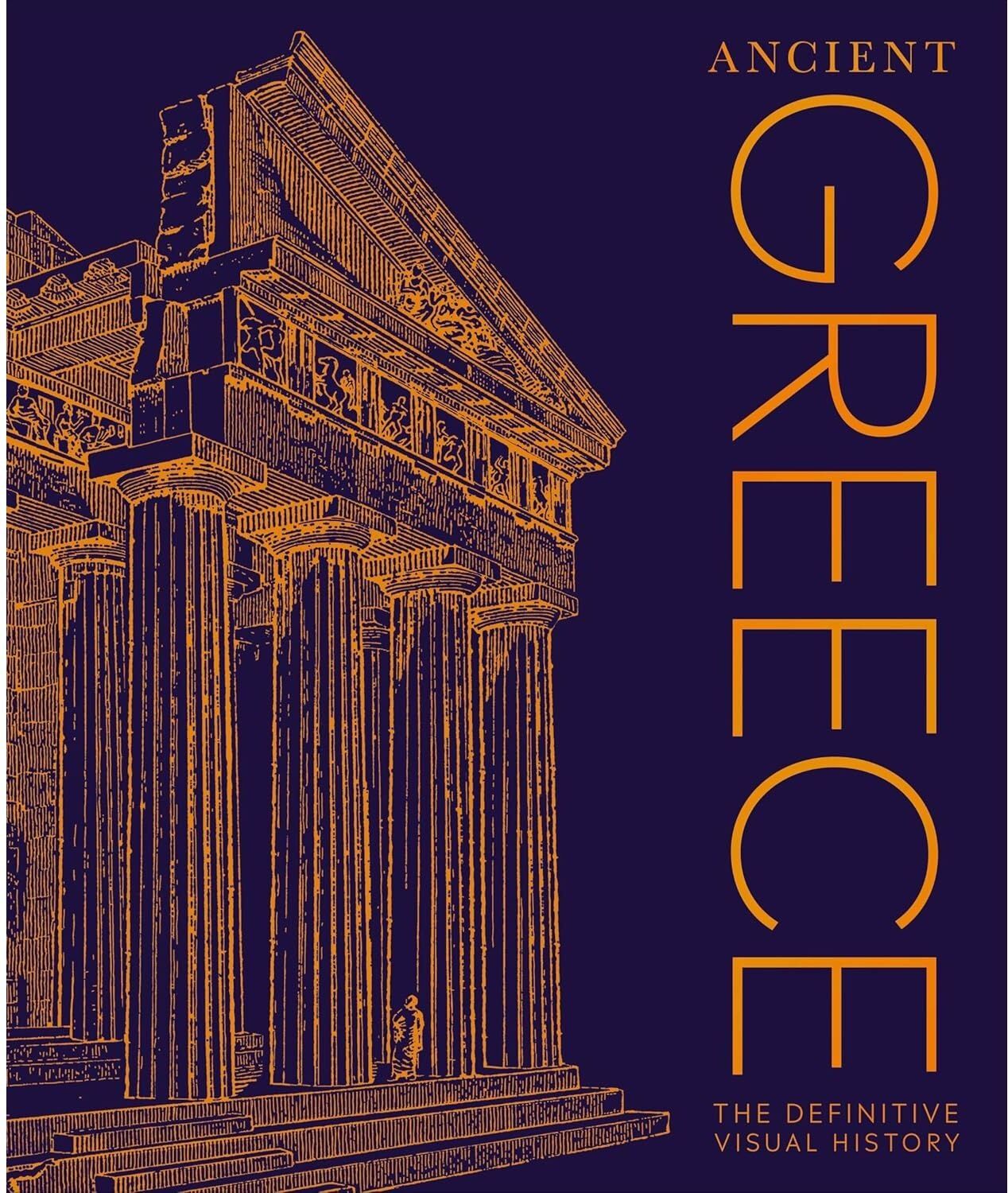
Ancient Greece: The Definitive Visual History (DK Classic History)Embark upon a fascinating journey through ancient Greece – from its rise and fall to its lasting legacy throughout the Western world. Spanning more than 3,000 years, Ancient Greece explores the tumultuous history of this glorious empire in vivid detail – from its Minoan and Mycenaean origins to the apogee of the warring city-states of Athens and Sparta, and from the death of its most charismatic leader, Alexander the Great, to its ultimate defeat by Rome. Sumptuous photography and authoritative, engaging text cover every facet of life in ancient Greece, from art, entertainment, and schools of thought to politics, medicine, and war, while the myths and religious beliefs of the ancient culture are explored and explained in depth. Greece’s military and political power shines through in fascinating maps of its legendary battles. Buried palaces and the Athenian Agora where Plato and Socrates discussed philosophy are brought back to life with stunning CGI artworks. And the stories of everyone from ordinary citizens to lawmakers and the first Olympic athletes are retold through eyewitness accounts and original artefacts.19,99 £*Shipping: 2,99 £Secure redirect to the provider
-
What are the rules for school sports regarding barefoot requirements and uniformity of clothing?
In most school sports, athletes are required to wear appropriate footwear for safety reasons, so going barefoot is usually not allowed. Additionally, there are usually rules in place regarding the uniformity of clothing, with athletes typically required to wear the same team uniform or designated attire to promote a sense of unity and professionalism. These rules help ensure fairness, safety, and a sense of team spirit among all participants. **
-
How can one forget culture and heritage?
One can forget culture and heritage by not actively engaging with it, by being disconnected from one's roots and community, and by prioritizing other aspects of life over preserving and celebrating one's cultural identity. This can happen through assimilation into a different culture, lack of exposure to one's own cultural traditions and practices, and a lack of interest in learning about one's heritage. Additionally, societal pressures and discrimination can also contribute to the erasure of one's culture and heritage. **
-
What does the first Mendelian rule, also known as the Law of Uniformity, state in detail?
The first Mendelian rule, also known as the Law of Uniformity, states that when two individuals that are pure for contrasting traits are crossed, all their offspring in the first generation will be uniform and express only one of the traits. This means that if a purebred tall plant (TT) is crossed with a purebred short plant (tt), all the offspring in the first generation (F1) will be tall (Tt). This law demonstrates the dominance of one trait over the other in the first generation of offspring. **
-
What does the 1st Mendelian Law, also known as the Law of Uniformity, state in detail?
The 1st Mendelian Law, also known as the Law of Uniformity, states that when two purebred individuals are crossed, all of their offspring will be of the same phenotype. This means that if two individuals with the same genetic makeup are crossed, their offspring will also have the same genetic makeup and exhibit the same traits. This law helps to explain the predictability of inheritance patterns in offspring and is a fundamental principle in the study of genetics. **
* All prices are inclusive of VAT and, if applicable, plus shipping costs. The offer information is based on the details provided by the respective shop and is updated through automated processes. Real-time updates do not occur, so deviations can occur in individual cases. ** Note: Parts of this content were created by AI.